BelSat
Support for media and information access initiatives designed to counter propaganda and malign influence in Central and Eastern Europe.
View Project
DCC has empowered tens of thousands of local activists and community leaders, delivered emergency humanitarian assistance, and strengthened local capacity for long-term civic, economic, and political participation.
DCC has implemented more than USD 143 million in grant-supported programming, including over USD 120 million funded by the governments of the United States and Canada. Additionally, DCC has raised approximately USD 15 million on behalf of partner nonprofit organizations.
Civil society organizations (CSOs) are the bedrock of fair and free democracies as they are the key to fighting corruption, monitoring governments, and denouncing human rights abuses. Especially in transitioning states, civic engagement and education, public testimony, and partnerships with CSOs are paramount to nurturing societies that respect all people's rights and the promotion of public participation in an accountable and productive manner are priorities.
Elections define the health of any democracy, but in closed societies, fragile states, and post-conflict zones, they face unique threats—from outright fraud and violence in places like Syria and Iran, to discrimination and weak institutions in the Palestinian Authority and Malaysia, or rebuilding after chaos in Afghanistan and Iraq. DCC brings decades of hands-on experience to strengthen these processes. Since 1989, our teams have monitored polls, trained observers, and built local capacity in countries including Guatemala, Cambodia, South Africa, Lebanon, and beyond, helping ensure votes reflect the true will of the people.
DCC works across the electoral cycle to deter manipulation, expand participation, and foster trust. We partner with governments, parties, civil society, and citizen groups to deliver practical support tailored to each context—whether countering autocratic controls or aiding transitions to open competition.
DCC has participated in multinational electoral missions and voter/political party capacity building efforts in places such as Afghanistan, Cambodia, Guatemala, Iraq, Lebanon, Palestinian Authority, South Africa and discreetly in several closed societies.
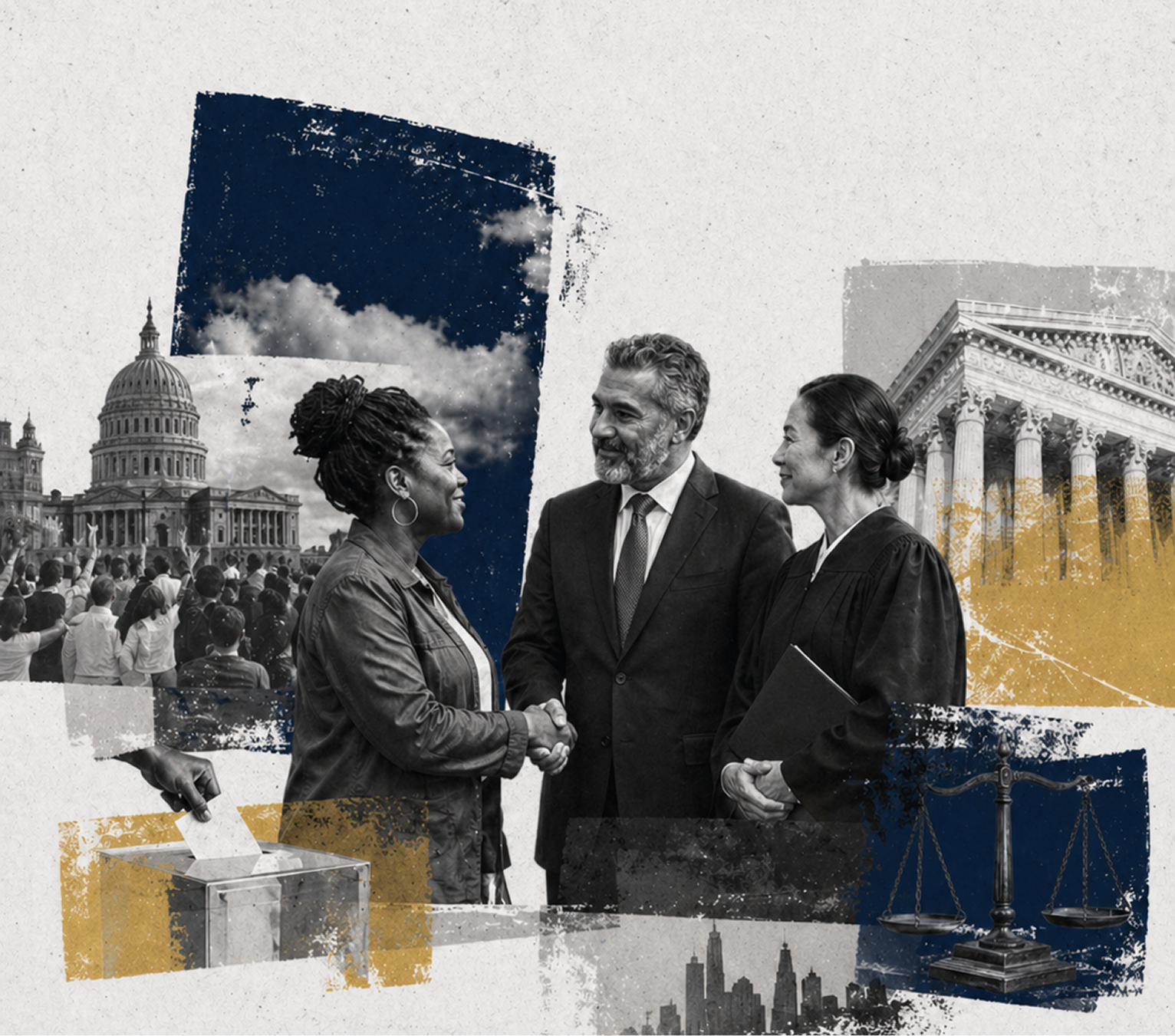
Transparent, accountable, and participatory system of government are fundamental to peaceful and prosperous society. A public administration based on fair laws with an accessible justice system in which the rights and responsibilities of authorities and all persons are equally enforced, is the cornerstone of good governance. DCC partners with governments, civil society, and international stakeholders to build capacity, strengthen the rule of law, protect civil rights, and prevent conflict. We help design and implement participatory strategies, reform initiatives, institutional capacity building, and community advocacy for political, administrative, legislative, economic, and fiscal transparency. Our efforts enhance service delivery and equal opportunity at the community and national level.
By fostering links between civil society organizations and governments, we increase transparency and accountability, give voice to citizen concerns. Our experts provide technical assistance to nascent and emerging organizations in grant implementation, financial management, monitoring and evaluation, and more. We work with civic groups to implement programming that improves people's lives and supports an active and engaged citizenry.
DCC implements rule of law initiatives that build the capacity of the justice sector to provide equitable access to justice. We enable governments and civil society to protect human rights and ensure equal application of the law. We help to shed light on and combat corruption and public accountability by building the capacity of courts, law enforcement, lawyers, and civil society advocates and watchdogs. Our experts help community partners to reform legislation and aggressively defend human and civil rights.
DCC's Economic Development and Growth Practice advances inclusive, sustainable prosperity and crisis response by helping communities stabilize, rebuild, and grow in contexts shaped by poverty, conflict, disaster, or economic shock. Our work combines innovation, entrepreneurship, and practical skill development with locally driven solutions that strengthen economic systems over time. We partner with local institutions, private sector actors, and development agencies to enable people to generate income, create jobs, and restore dignity through meaningful economic participation, particularly in environments where opportunity has been disrupted or denied.
DCC advances economic development through three interrelated areas of work focused on enterprise, recovery, and the policy and market systems that sustain growth.
Sustainable economic growth depends on more than enterprise alone; it requires sound policy, effective infrastructure, strong legal frameworks, and well-functioning markets. DCC's economic and business experts support communities in identifying and advancing equitable economic policies at the local, regional, and national levels. We work across the public and private sectors to strengthen economic governance, improve the business-enabling environment, expand access to finance, and bridge gaps between governments, capital markets, and underserved or marginalized populations. This systems-level approach supports private enterprise growth, expands employment opportunities, and creates the conditions for lasting, inclusive economic development.
Enterprise Development and Workforce Incubation
DCC builds local economic capacity by incubating enterprise and aligning workforce development with actual labor-market demand. Through targeted vocational training, enterprise support, and community-based business incubation, we help transform local talent into productive economic activity. Our programs support entrepreneurship, strengthen micro-, small-, and medium-sized enterprises, and ground growth strategies in community needs and viable market pathways, ensuring that skills development translates into sustained employment and income generation.
Post-Crisis Economic Recovery and Revitalization
In the aftermath of natural or man-made crises, DCC enables rapid economic recovery while laying the groundwork for longer-term revitalization. We work alongside affected communities to restore livelihoods, rebuild supply chains, and reestablish small businesses as anchors of stability and social cohesion. By integrating climate-smart practices, digital innovation, and gender-inclusive strategies, our interventions address immediate recovery needs while reducing future vulnerability. The result is resilient, locally led growth that allows communities to emerge more self-reliant and better prepared for future shocks.
Extremist incitement, hate speech, and malign information influence campaigns amplified by hyper-charged social media products, artificial intelligence, and algorithms have become a global phenomenon. Violence and hate escalate when malign and untruthful messaging campaigns go unchecked and fact-based information is censored. Deployed by authoritarian governments and radical subnational groups alike, disinformation must be identified, countered, and debunked. DCC has been at the forefront of information war, identifying, calling out, disrupting, countering, and debunking autocrats and extremists' attempts to harm, incite, and manipulate. Our work helps empower activists, advance the rule of law and accountability, and foster civic action.
We work with and support local partners worldwide to develop these data-driven campaigns. Rather than creating one-off research and community programs, we focus on developing replicable models with potential scale and impact. The Innovation Hub ensures that the cycle of learning and action scales and drives impact for those in the trenches of the battle of ideas.
Our programs promote:
Media literacy, mapping disinformation flows, fact-checking, reporting about malign influence & information operators and operations.
The capacity and impact of local civil-society organizations to combat malign influence through technical, social, political, and legal means as well as areas such as elite capture, and lawfare.
Technical approaches to disrupting corrupt, malign, and hateful information campaigns.
Redirecting online searches to legitimate local voices with fact-based data.
Our training programs build the media literacy of local communities.
How to identify mis- and disinformation (e.g. conspiracy theories, clickbait, manipulated media);
Fact versus opinion, including how sensational content can be used to drive user engagement;
The benefits and pitfalls of a 'personalised web', including algorithms and filter bubbles;
Understanding the purpose and impact of malign bias;
Avoiding online echo chambers, argorithims and botnets.
Responding effectively to hate speech and forging more inclusive digital communities;
Creating and distributing digital content.
In closed societies and fragile states, the fundamental right to free expression is often the first to be denied. Artists, musicians, and writers who question authority or reflect uncomfortable truths face censorship, intimidation, and arrest. Yet art remains one of the most powerful tools for opening dialogue, inspiring empathy, and driving social change. DCC supports artists working at the intersection of culture, human rights, and civic engagement. Since 2006, DCC has implemented programs that help creators safely share their work where public discourse is restricted.
In partnership with local organizations, we provide secure production resources, digital security and circumvention training, and emergency legal and livelihood assistance for artists under threat. We also help empower communities to access and distribute banned art through underground publishing networks, independent studios, and digital platforms. These initiatives have strengthened hundreds of artists and reached hundreds of thousands of people with art otherwise suppressed by censorship. Through creative collaboration and technical empowerment, DCC expands the space for free expression in some of the world's most restrictive environments.
In 2017, DCC established the Artistic Freedom Center to unite persecuted artists, cultural advocates, and policymakers in developing strategies that protect creative independence and promote resilience. This approach continues to inform programs that use artistic expression as a vehicle for civic awareness, inclusion, and democratic participation.
Freedom of expression is the lifeblood of democracy. By helping artists speak and create freely, DCC fosters open dialogue, supports accountability, and strengthens the communities that stand at the heart of every free society.
Unfettered access to timely, fact-based, news and information is a fundamental right and a critical requirement for peaceful and prosperous societies. Press freedom sustains a participatory and open information space in which the exchange of ideas produces an informed citizenry capable of holding leaders accountable. Whether delivered through traditional print and broadcast media or digital platforms, independent journalism serves both as a catalyst for reform and a bulwark against government repression.
Across much of the world, fact-based journalism is under sustained pressure. Disinformation, political polarization, the collapse of traditional media business models, and increased censorship and criminalization of independent reporting have eroded public trust and undermined the production and distribution of credible news and information.
At the same time, authoritarian governments are tightening control over the flow of information. From internet blackouts and censorship laws to the imprisonment of reporters, regimes that fear accountability are perfecting new methods of silencing scrutiny and dissent. These pressures are compounded by coordinated disinformation campaigns that deliberately blur the line between journalism and propaganda.
The result is a dangerous global pattern: as access to truth diminishes, the abuse of power becomes easier and more entrenched.
DCC works across multiple regions to strengthen media institutions' systems, professional practices, and operational capacity to produce high-quality journalism that sustains healthy information ecosystems. We collaborate with media outlets, journalists, civil society organizations, and the public, including through the development and deployment of innovative technologies that support reporting and news distribution in restrictive environments.
DCC helps media organizations expand reach, improve coverage, and attract broader audiences while delivering more accurate and credible reporting, particularly to underserved, displaced, distressed, and marginalized communities. Our work supports, incubates, empowers, and builds the capacity of independent media while countering undue censorship and technical or physical restrictions on production and distribution in closed societies.
DCC's research and collaborative local advocacy initiatives also document and expose legal and extra-legal government actions that undermine press freedom. In post-conflict settings and countries transitioning toward more open societies, we provide technical expertise to help establish and sustain independent media outlets, creating durable spaces for information sharing and public dialogue where they had not previously existed.
In an era of intensifying violence and political fragility, DCC's Conflict Transformation & Peacebuilding Practice works with communities, institutions, and leaders to move societies from instability toward sustainable peace. Our work is grounded in the understanding that peace is not simply the absence of conflict, but the presence of justice, inclusion, and trust between people and institutions.
Drawing on lessons from global frameworks such as the UN Sustaining Peace Agenda and the UN Peacebuilding Architecture, our team takes a pragmatic, locally driven approach that blends technical expertise with community empowerment.
We prioritize stabilization and conflict reduction as essential first steps, followed by sustained efforts to rebuild trust, strengthen governance, and address the social and political root causes of violence. Our programs operate globally, with a historical concentration in the Middle East and North Africa (MENA) region.
At its core, our peacebuilding seeks to transform the way communities engage with one another and with their governments. By combining rigorous analysis, international best practices, and close local partnerships, the DCC helps societies in crisis rebuild stability, restore civic trust, and lay the foundations for an enduring and inclusive peace.
Case Studies/Achievements:
Paln Peace plan 2023
We design tailored initiatives that bring adversarial groups together to find common ground, encourage tolerance between divided communities, and help establish the foundation for inclusive governance. Whether working with governments, civic actors, or faith-based leaders, we amplify the voices of local peacebuilders and create conditions where reconciliation can take root. Our typical activities include:
DCC responds to natural and man-made humanitarian crises by delivering timely, targeted assistance to people displaced by conflict, affected by disaster, or cut off from basic services and healthcare. Our emergency work prioritizes speed, accuracy, and local coordination, enabling rapid action in environments where delays carry serious human costs. We work in close partnership with affected communities to ensure that assistance is relevant, respectful, and responsive to local conditions.
In the immediate aftermath of crisis, DCC supports early recovery by partnering with civil society organizations, local authorities, and international partners to stabilize essential systems. Our programs focus on restoring critical services, maintaining access to medical care, and supporting the rule of law where institutional breakdown threatens civilian protection. These efforts are designed to bridge the gap between emergency relief and longer-term recovery, reducing the risk of prolonged displacement and instability.
DCC teams operate in high-risk and rapidly evolving environments, delivering life-sustaining assistance including food, medical supplies, and cash support to vulnerable households. We procure and deploy emergency response assets such as ambulances, communications equipment, generators, water filtration systems, and essential medicines to support frontline responders and health facilities. Our rapid assessments and field surveys provide decision-makers with reliable, real-time information, resulting in more effective allocation of resources.
Across all emergency operations, DCC leverages established international and local networks to coordinate responses, reduce duplication, and maximize impact. This approach integrates logistical capacity, local knowledge, and institutional partnerships to deliver assistance efficiently while strengthening the foundations for recovery and resilience.
Support for media and information access initiatives designed to counter propaganda and malign influence in Central and Eastern Europe.
View Project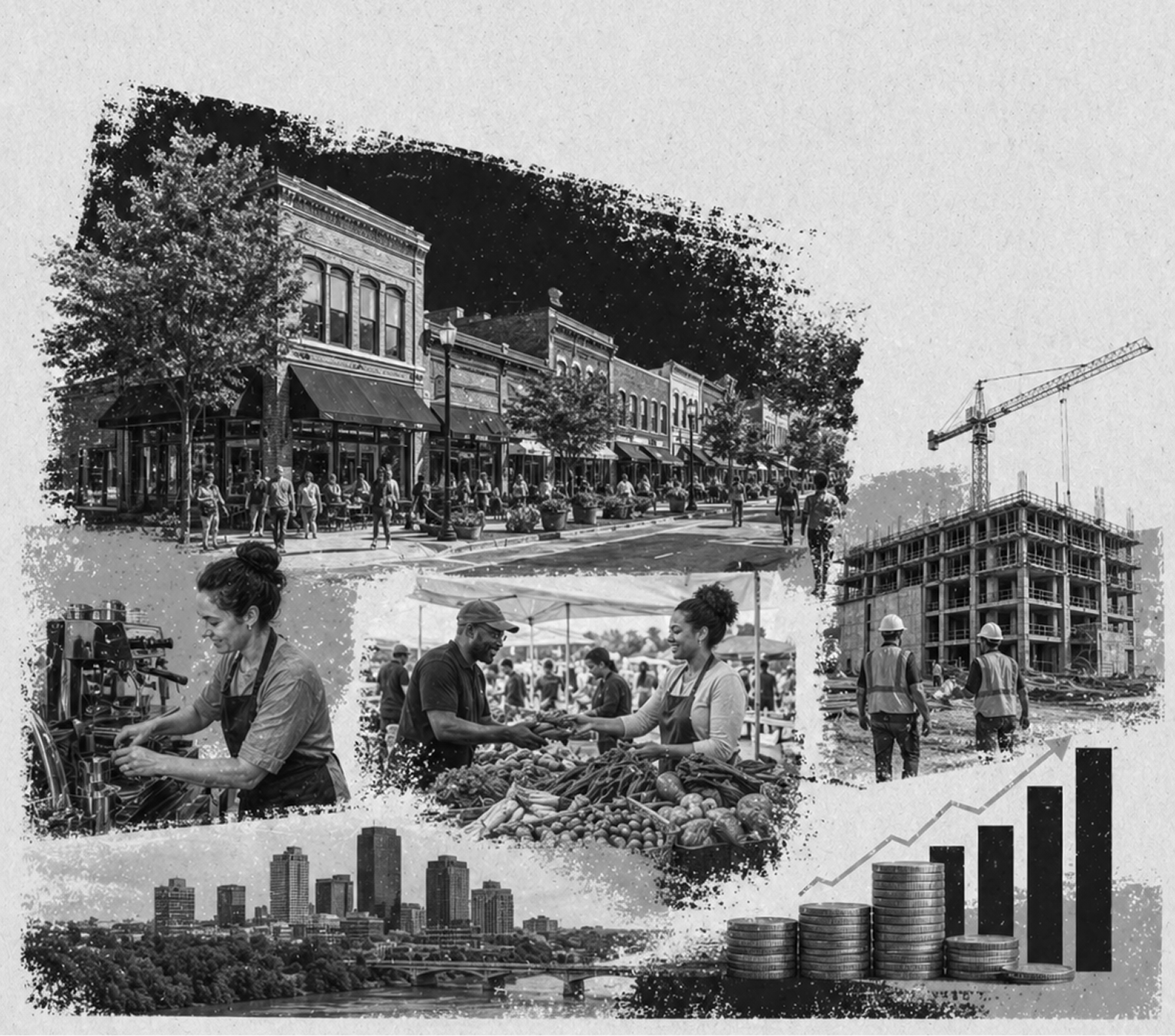
Training and support for more than 2,000 citizen journalists and the incubation of independent radio, television, and digital outlets.
View Project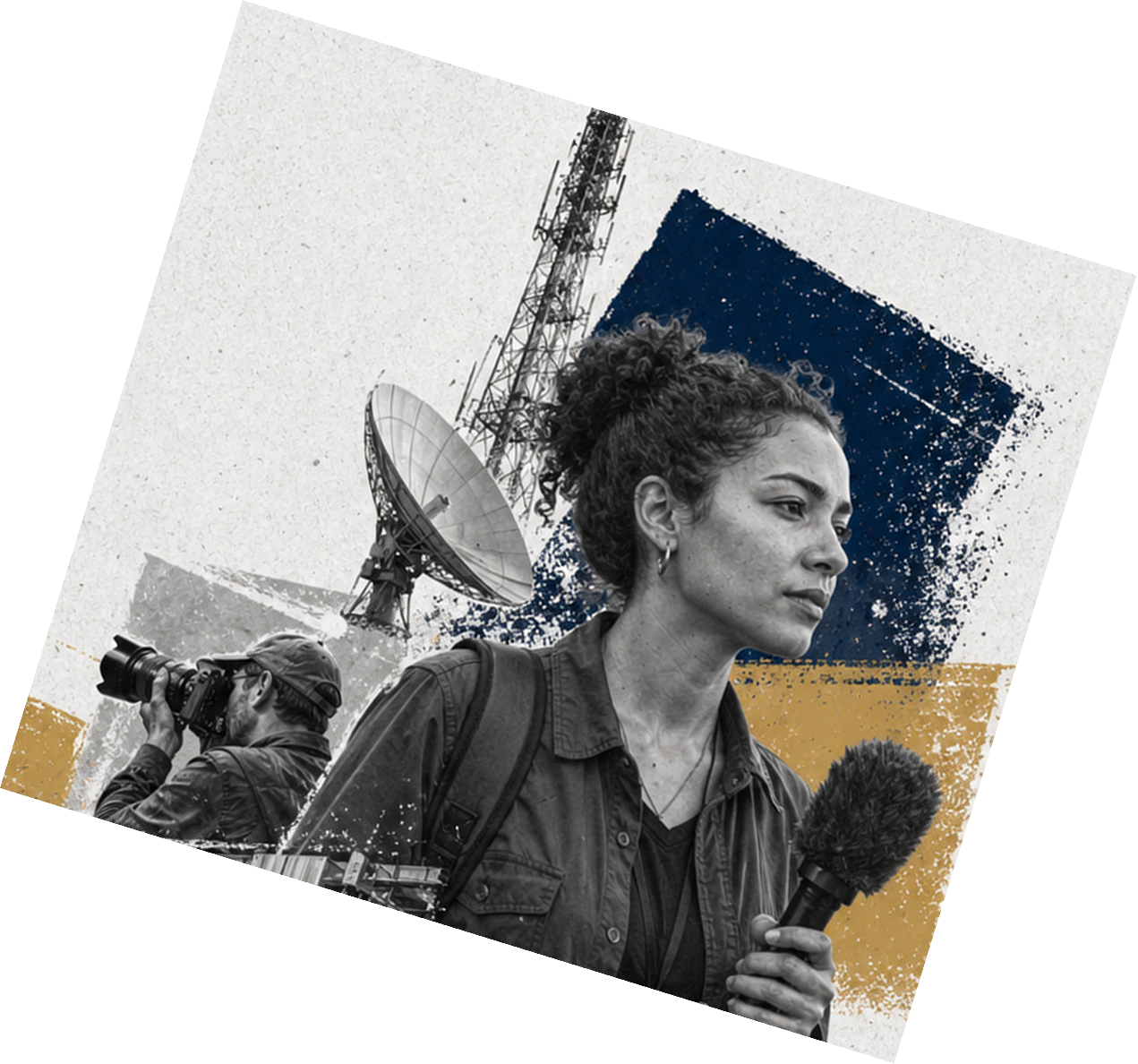
Support for independent cultural publications preserving artistic expression and informal information exchange in restrictive environments.
View Project
Community-based reporting networks that amplified credible human rights documentation through trusted local voices.
View Project
Emergency humanitarian support through targeted subgrants, ambulances, and critical medical services for conflict-affected populations.
View Project
Emergency medical relief supporting overstretched healthcare services with essential medicines and humanitarian supplies.
View Project